Counterfeit Culture: Economic Analysis
The Ask
To get a further understanding of how economic factors impact the fashion industry through a NUMBER of factors that I was able to choose from
The Process
-
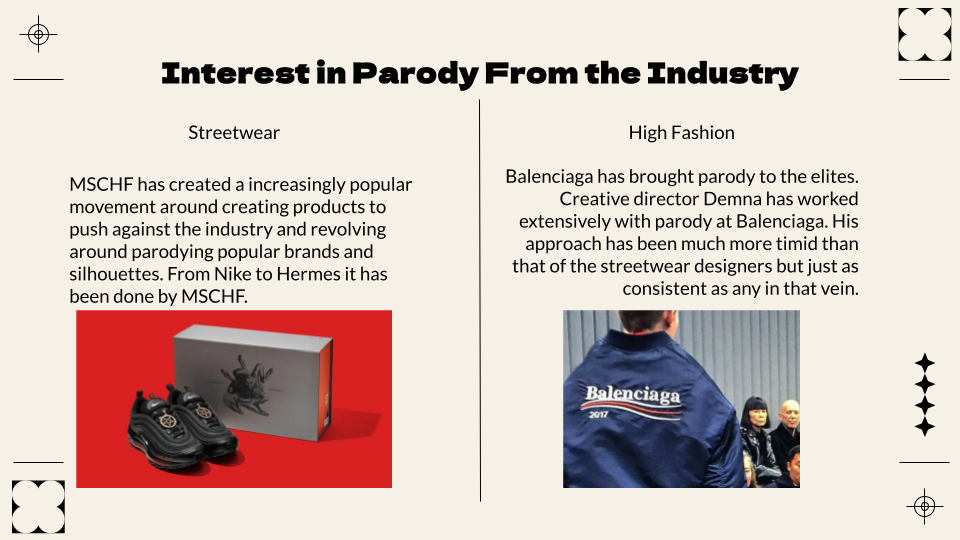
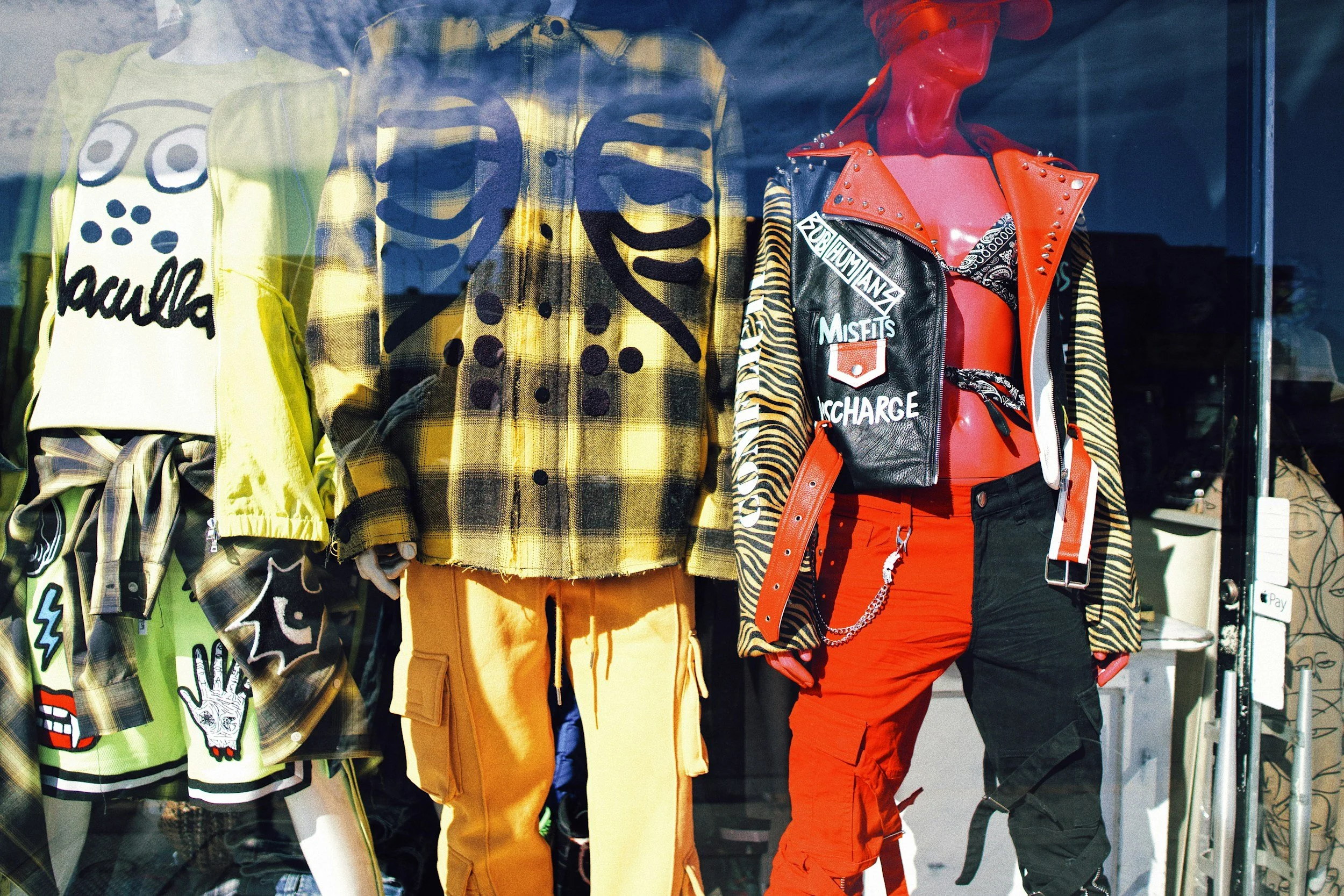
For this project, I was offered a number of general topics to choose from that I could then specialize regarding what exactly I would research. For my topic I chose to research Intellectual Property. This topic had a lot of relevance especially in the fashion industry. This topic has become an even bigger issue with the looming arrival of AI and a general push for cheaper goods. On top of this, society has begun normalizing parody within fashion with brands like MSCHF becoming more and more sought after and embolden.
-
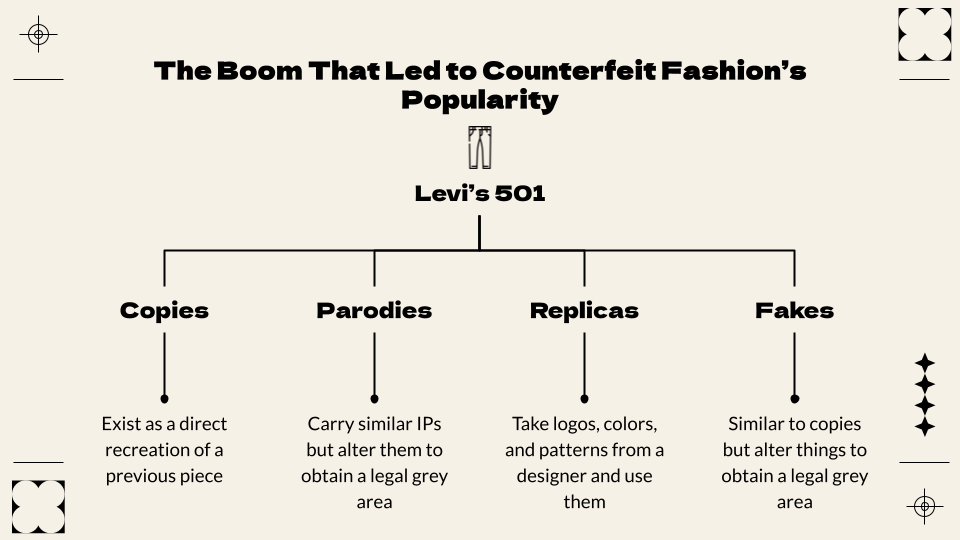
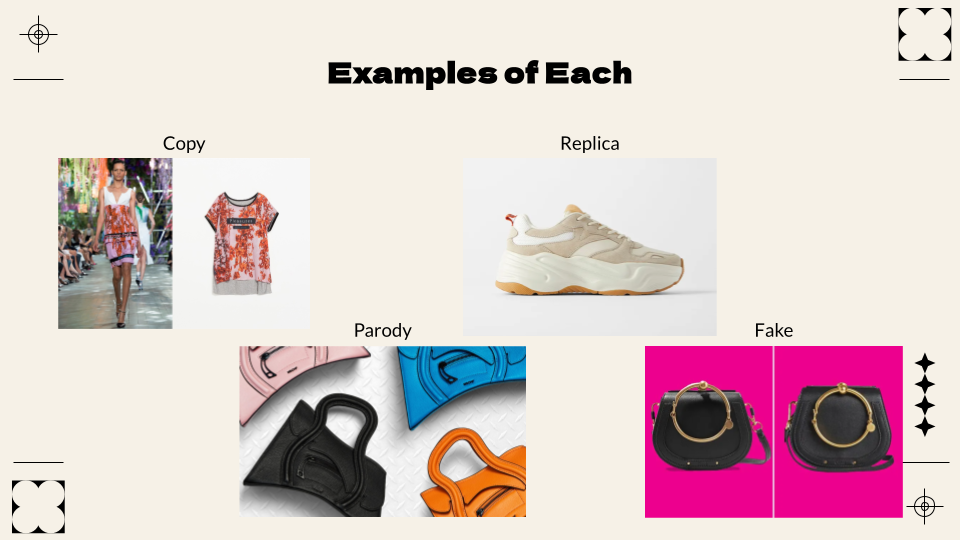
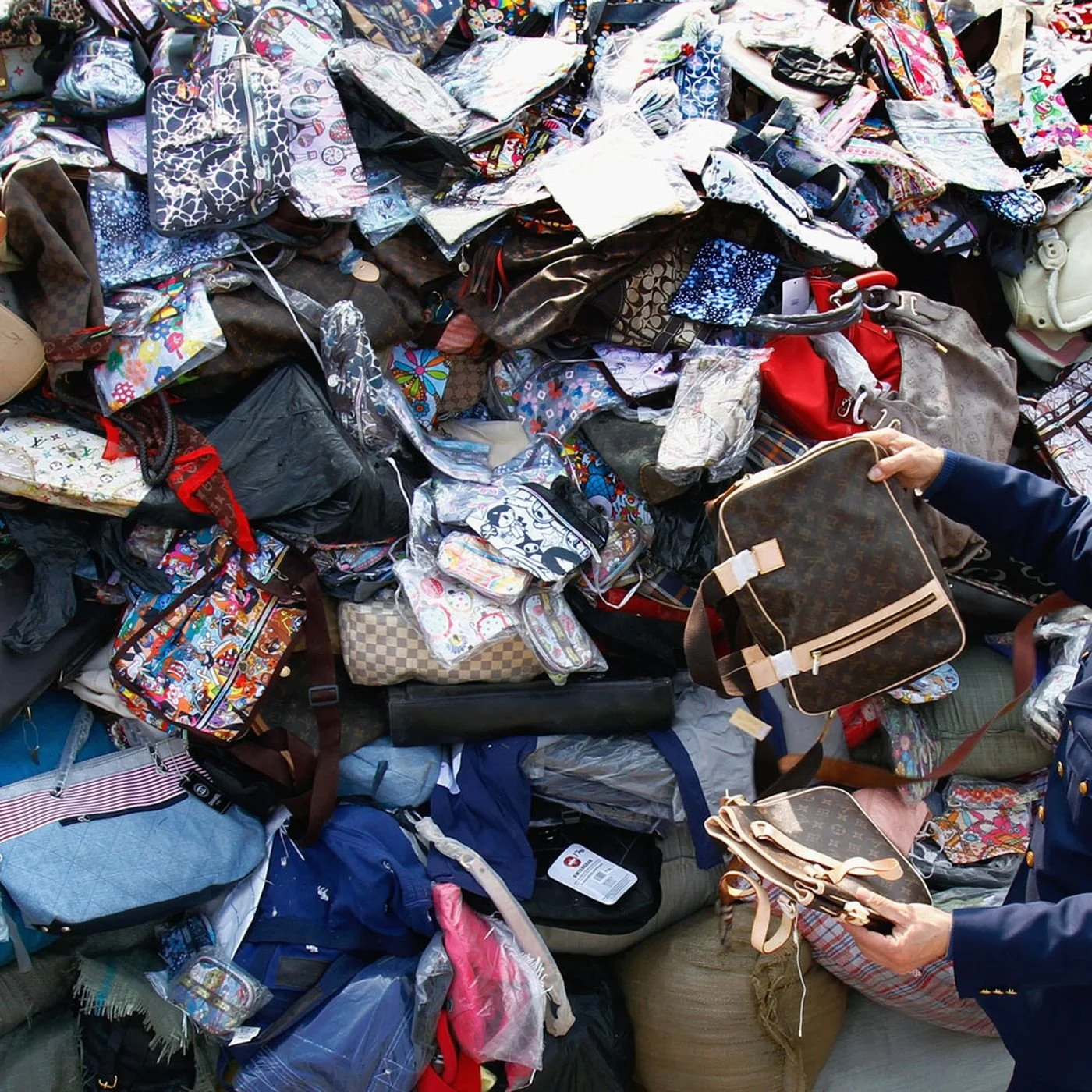
The idea of counterfeit goods fills a number of areas within the fashion industry. With this I wanted to discuss all of these styles of counterfeiting, from copies, to parodies, to replicas, and finally the item everyone thinks when thinking of counterfeits in the fakes. This spectrum of goods started in from Levi’s making the 501s. This spectrum is also creates ambiguity around the topic, because of the issue that only one element of counterfeit goods is morally agreed upon as bad it makes cracking down on this portion of fashion more difficult. It is normal competitive culture to create competing products and thus you cannot just make it outright illegal.
-
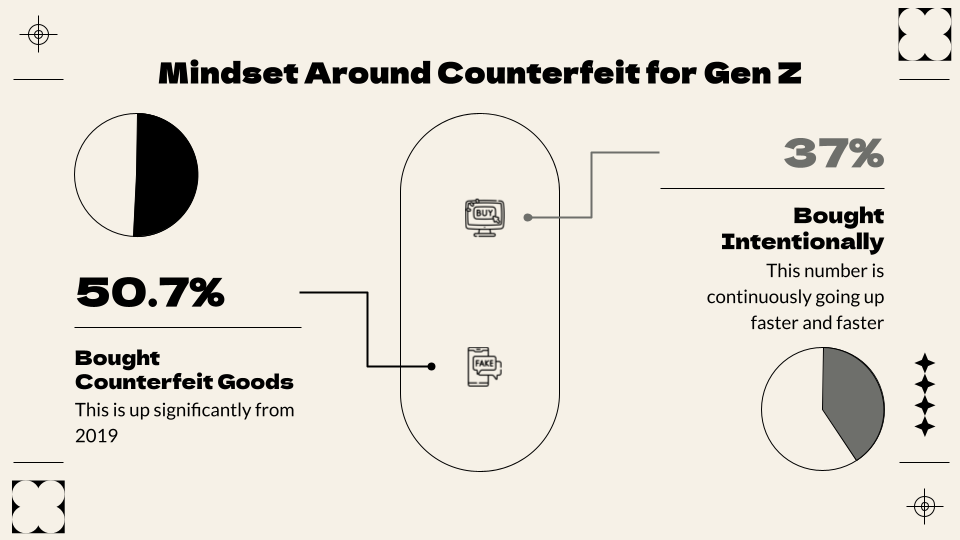
A big proponent on my research and the impact it has on the economy comes from consumer mood about the topic. If it were 20-30 years prior the general consensus would e that counterfeits are negatively viewed. But it is not and the mood in fashion is highly different than before. As of 2023 over 50% of all Gen Z had purchased a fake, not just a copy or parody but an actual fake, of this 50%, 30% of those who purchased have done so intentionally. Because of this it seems fashion is heading further in the direction of normalizing fashion fakes as a staple for consumers. Both of these numbers continue to rise significantly since 2019.
-
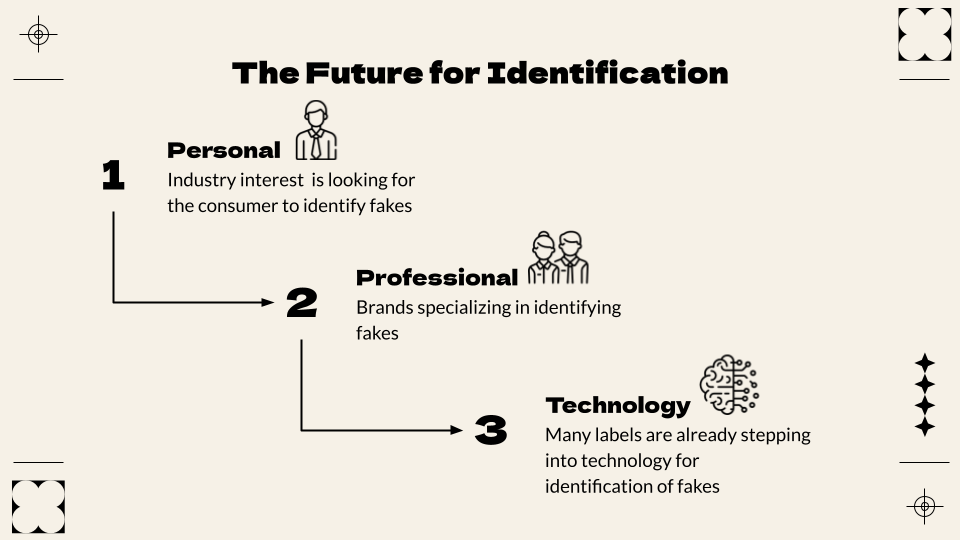
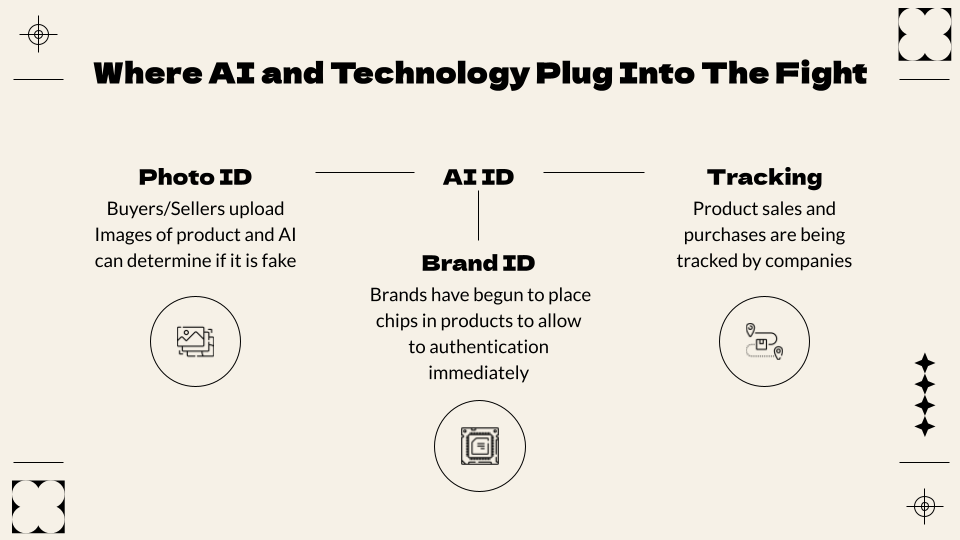
AI poses a unique position in the counterfeit segment. First is the concern over AI designs creating new ways to counterfeit goods. But AI also has potential at making it easier to identify and remove counterfeit goods. Their is hope and movement within the industry to create ways to use AI to identify fakes at the consumer level. These options are digital tags within the garment that allows for a consumer to scan to verify it being real. Another idea being poised is AI applications that have consumers upload pictures of garment and it will identify if it is real or fake in the moment. The final idea being the idea of more consistent tracking for every step of the process, from the fabrics that make the garment to a reselling of the same garment, That way brands have an idea of exactly where the garment is and thus making it readily available the status of the garment,
Skills Used